


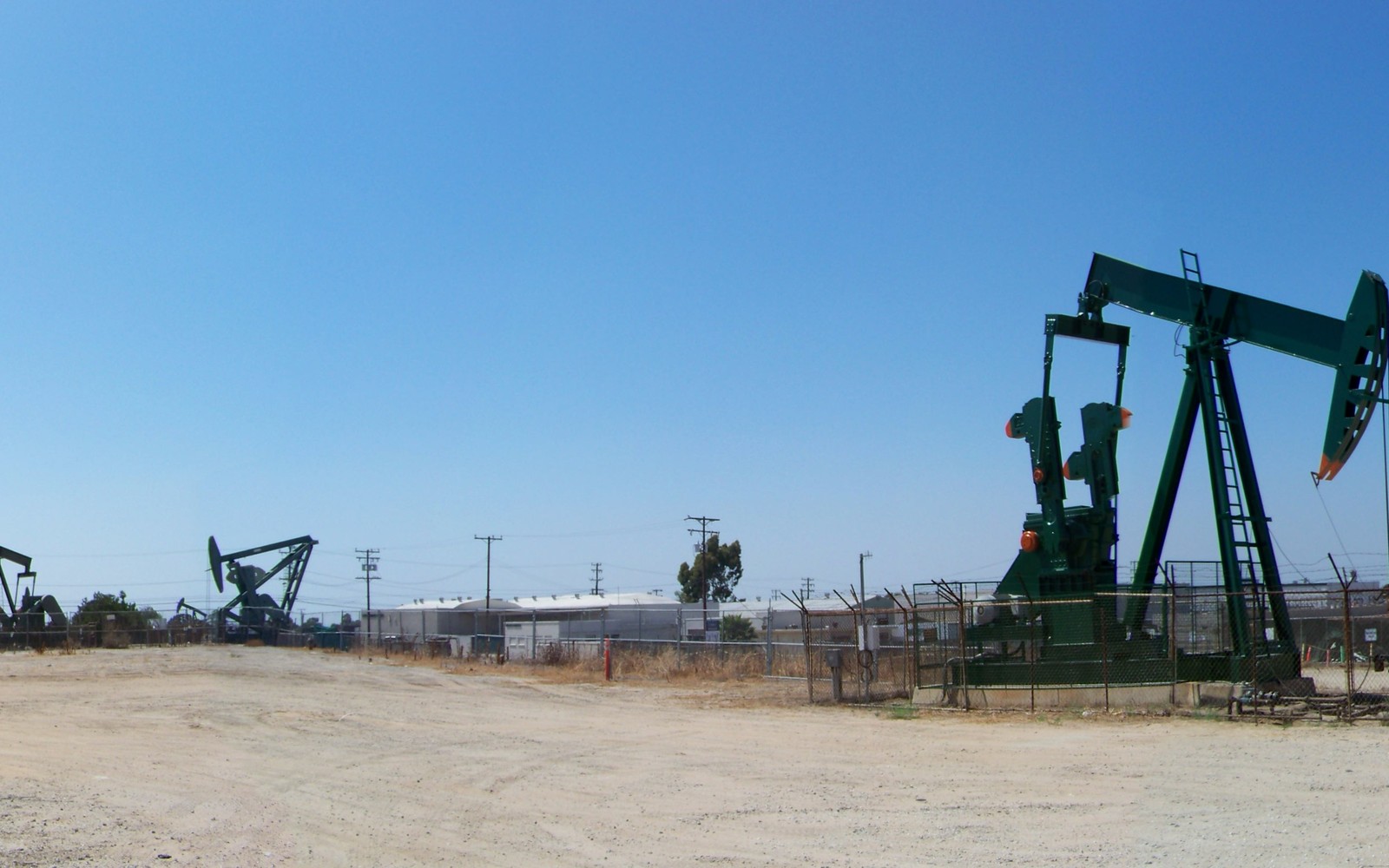
Producing Basin
Midland Basin Mineral Rights
Midland Basin minerals often carry years of check history. Here's how that production record shapes your offer, and what to gather before you sell.
From our home in Midland, we review the deed, decimal interest, lease, operator, royalty history, and nearby development behind the property. You get a direct purchase offer tied to the interest you actually own.

Sell Mineral Rights works directly with owners considering a full sale, a partial sale, or simply a serious comparison. We identify the property, review ownership and production, explain the inputs that matter, define the exact interest in the agreement, and close through recorded documents. Requesting the review does not require an upfront fee.
How We Review an InterestMineral ownership is not one uniform asset. Start with the legal and economic interest the record actually describes.
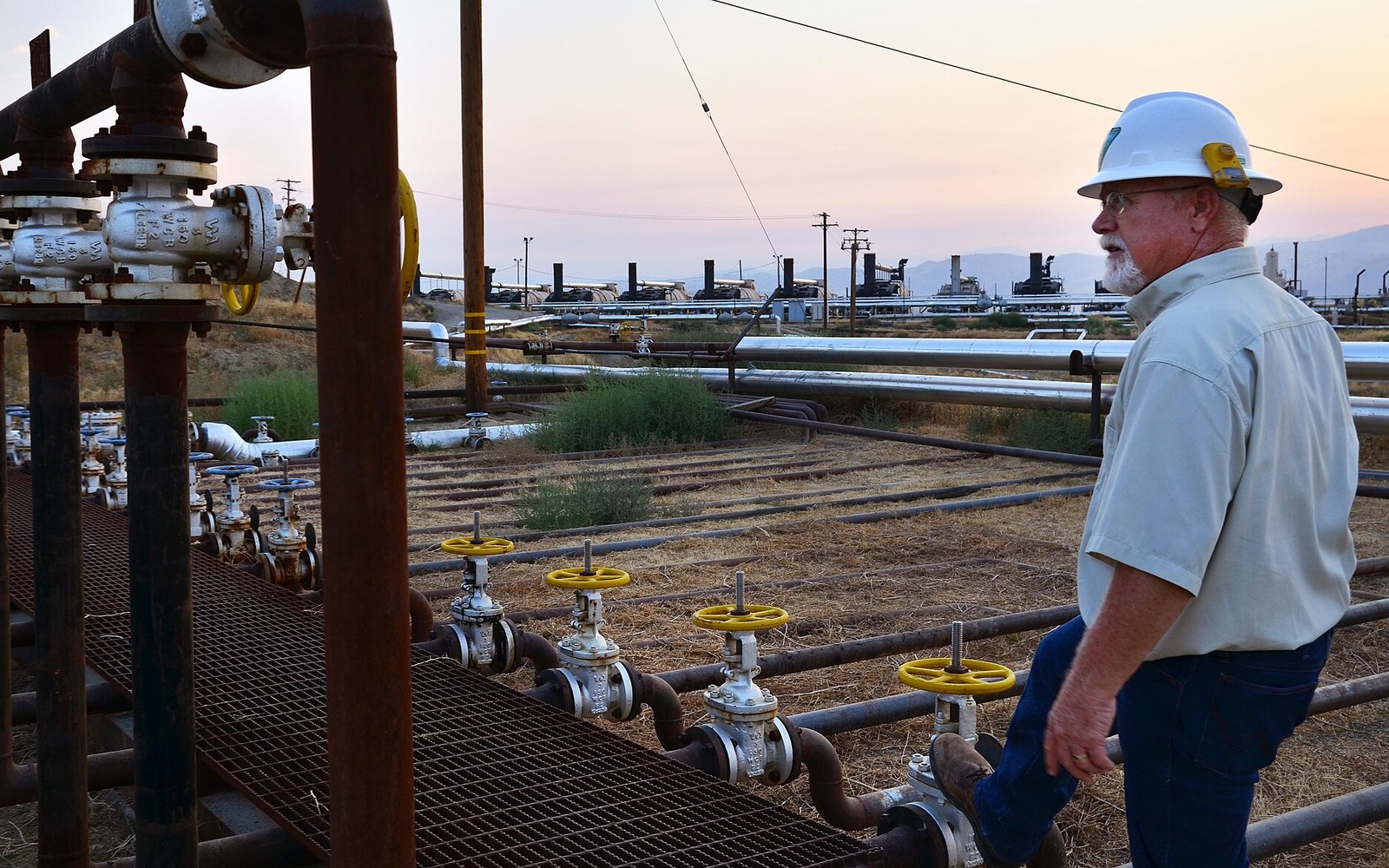
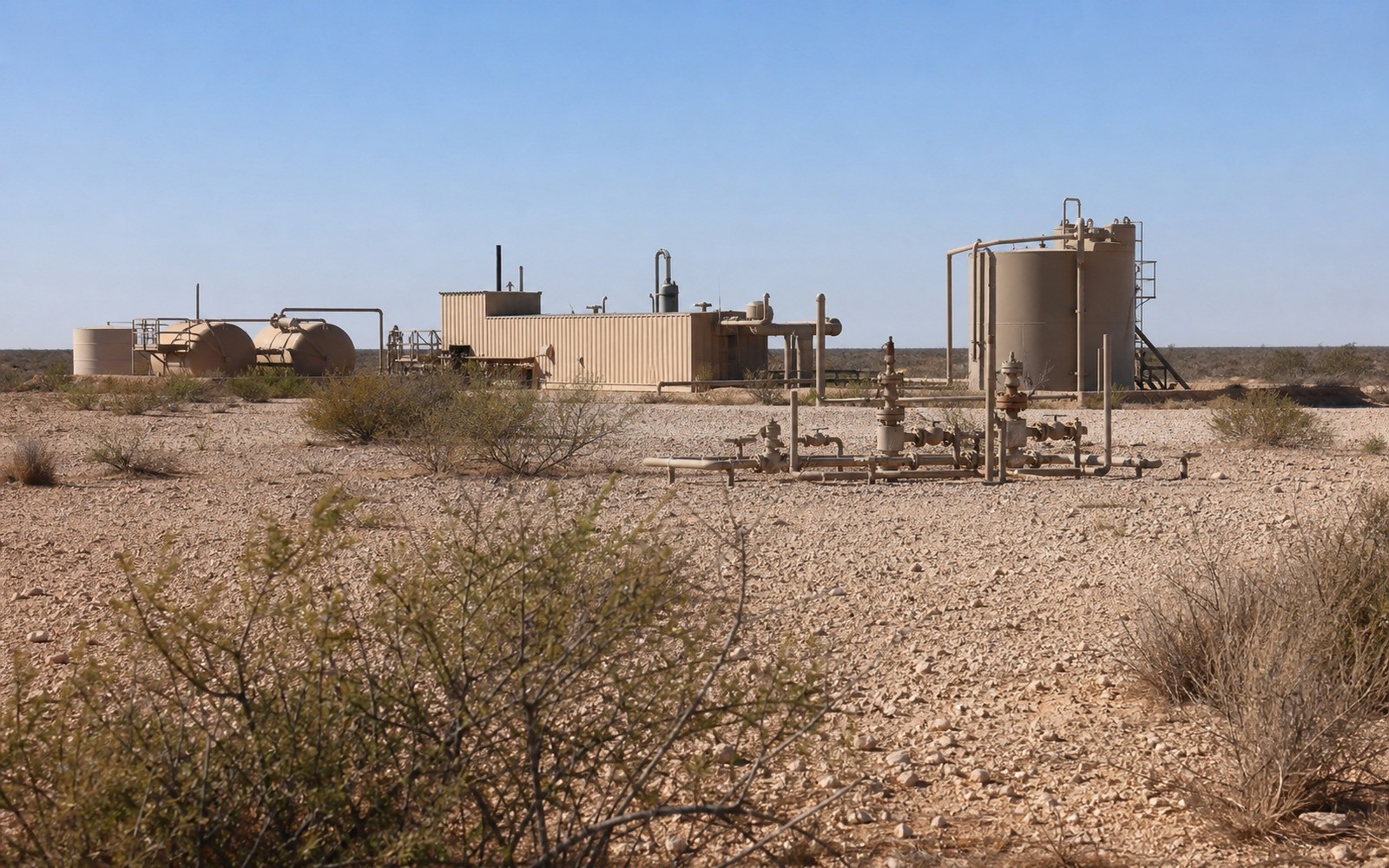

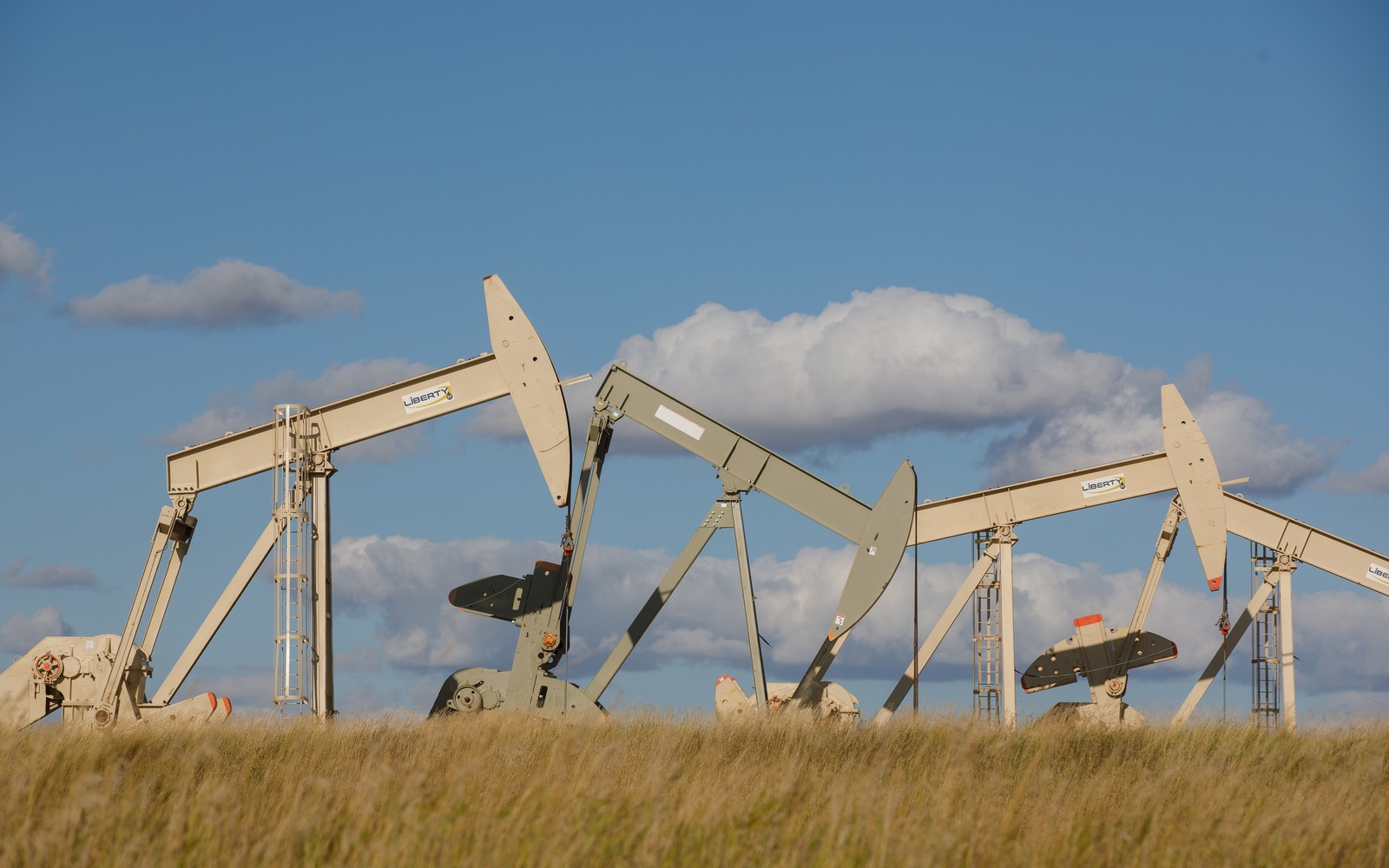
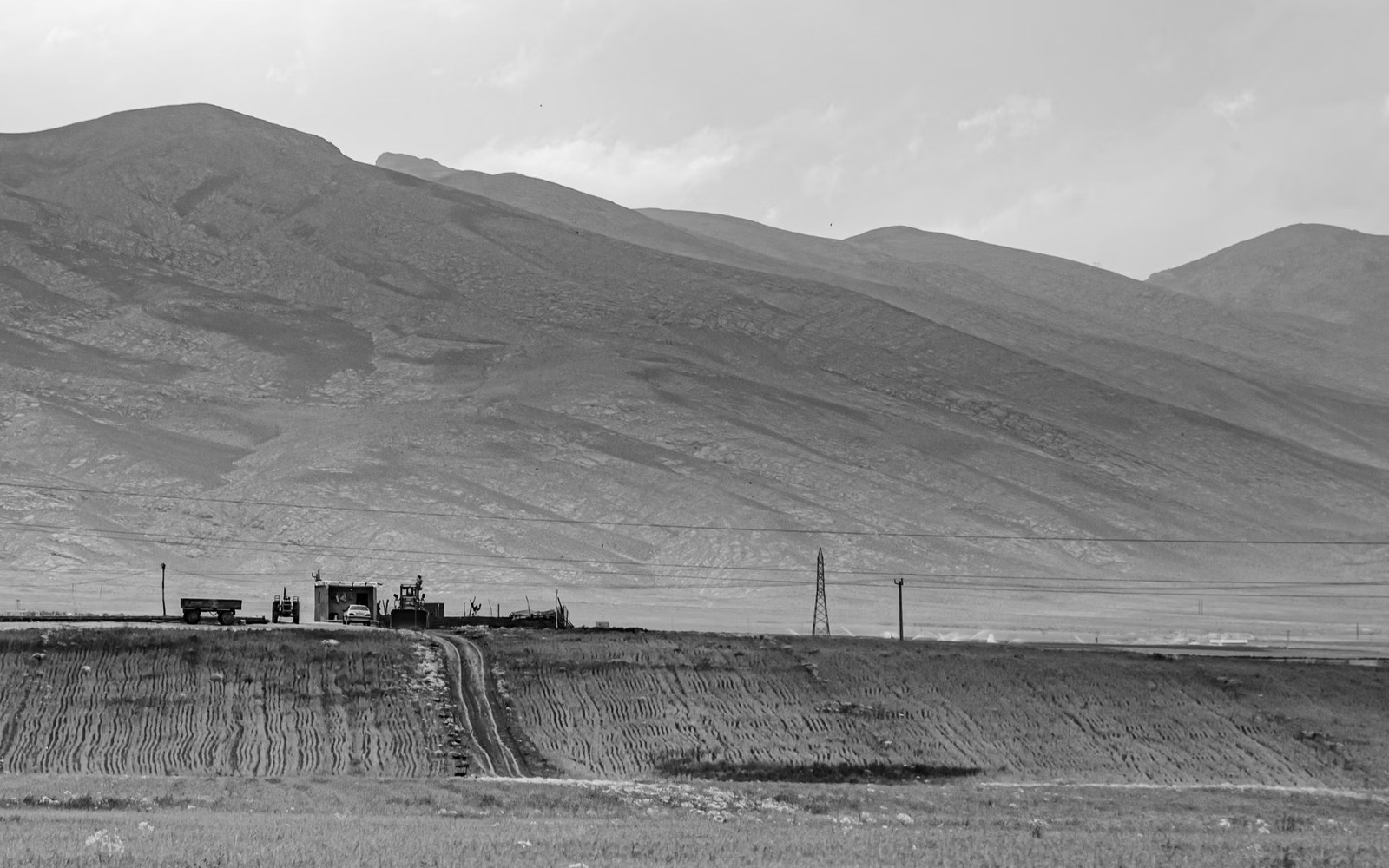
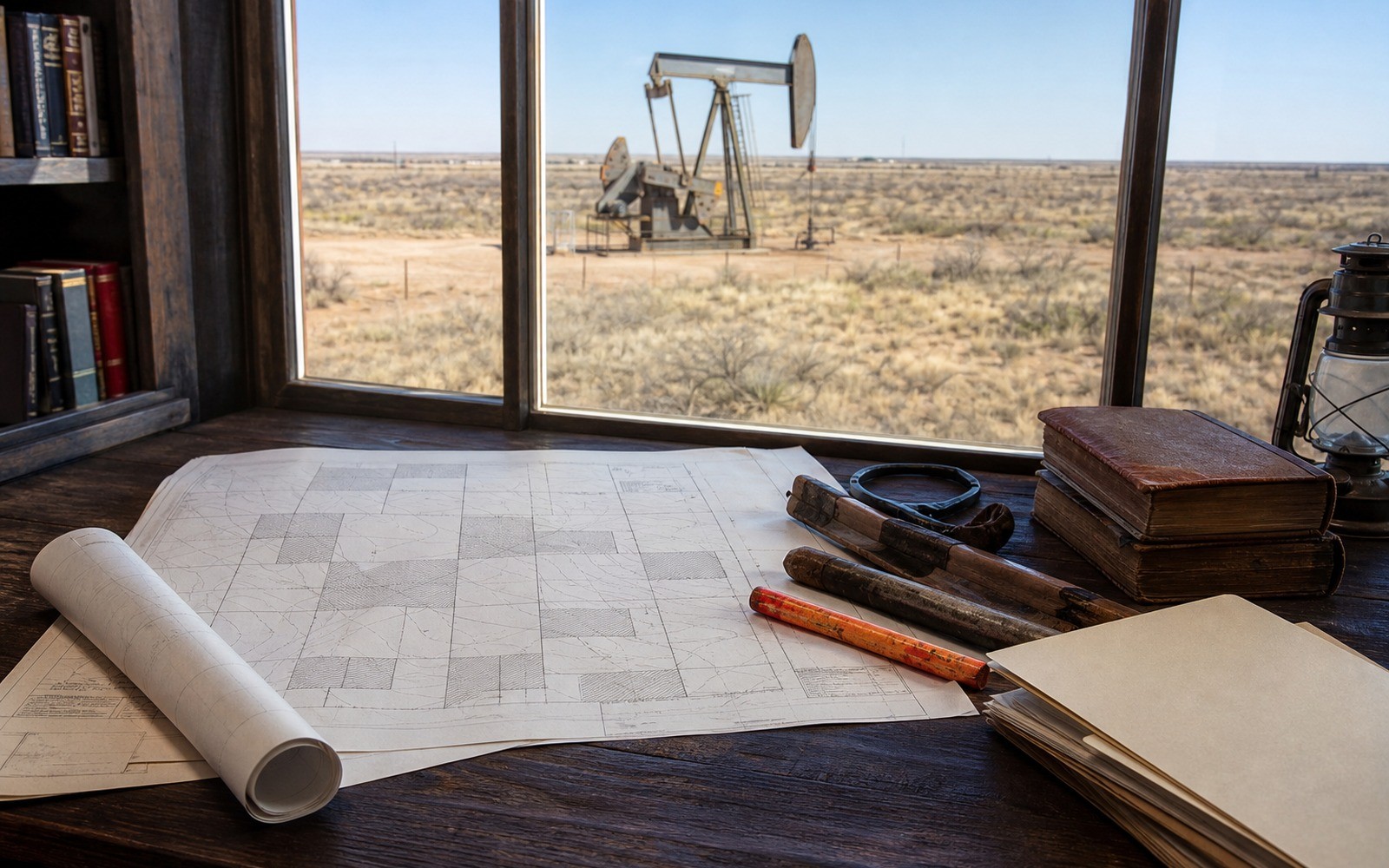
Practical guides for deeds, division orders, valuation methods, taxes, documents, and sale decisions.
Open the Mineral Owner Field Guide
We identify the tract and interest, read the title and production record, explain the valuation inputs, define the exact fraction in the agreement, and close through recorded documents.
See the Full ProcessMidland Basin minerals often carry years of check history. Here's how that production record shapes your offer, and what to gather before you sell.

Owning Permian minerals means stacked pay across several formations. Here's how buyers underwrite that, what your division order actually.
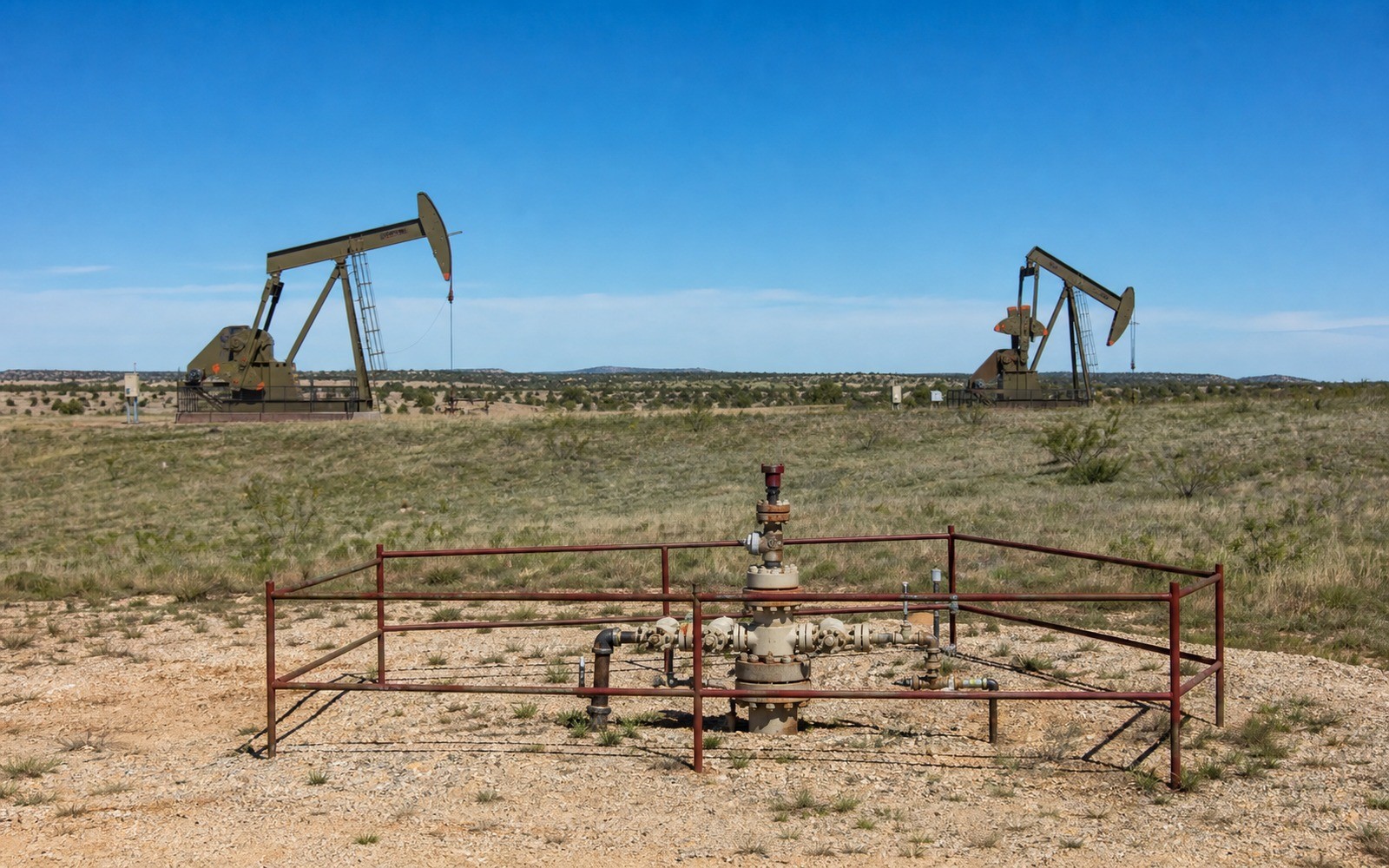
Delaware Basin pay is deeper and hotter than the rest of the Permian. Here's how that changes drilling economics, spacing, and what your minerals are worth to sell.
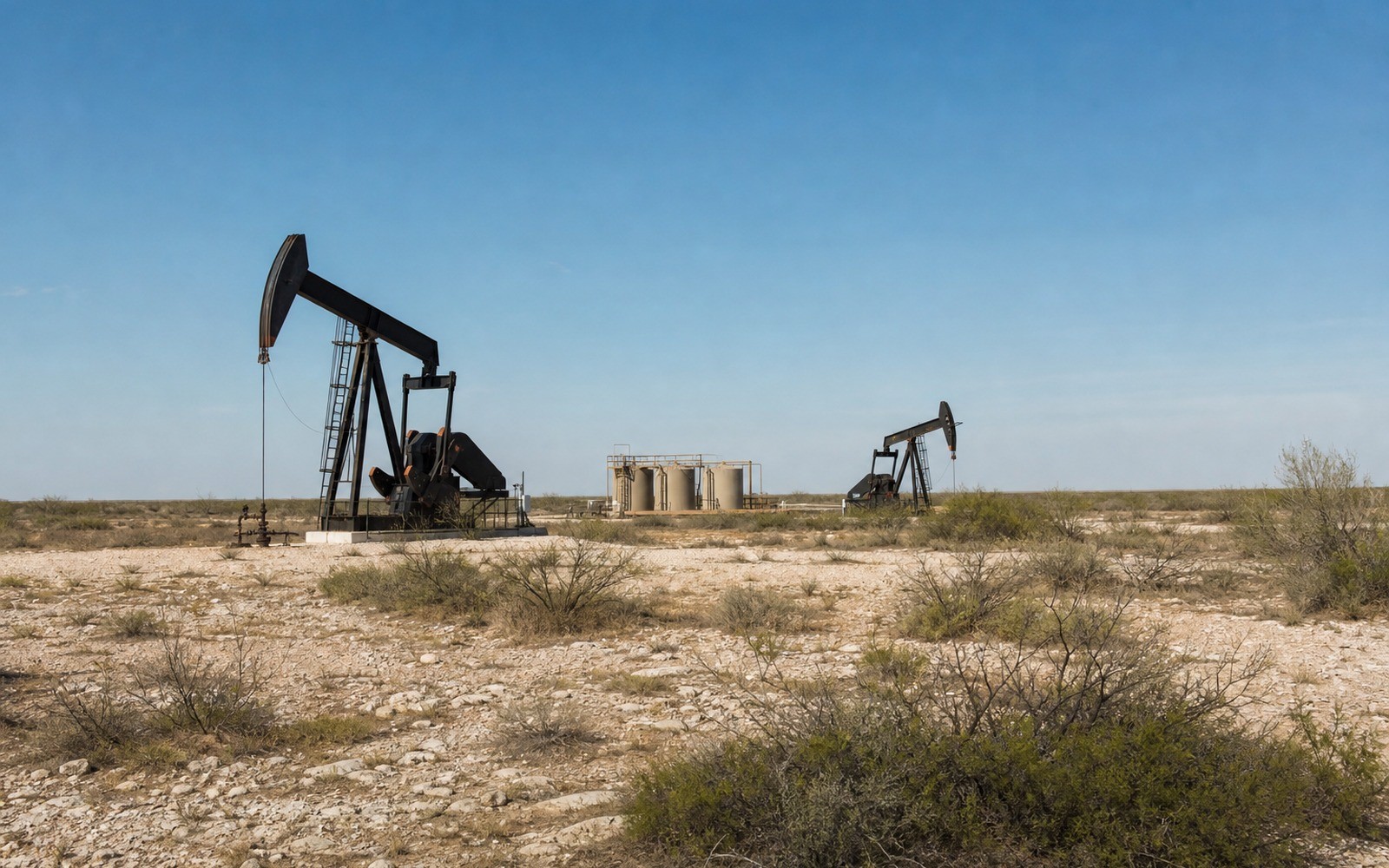
Eagle Ford value depends on which window you're in, oil, condensate, or dry gas. Here's how to figure out yours and what it means for your sale.
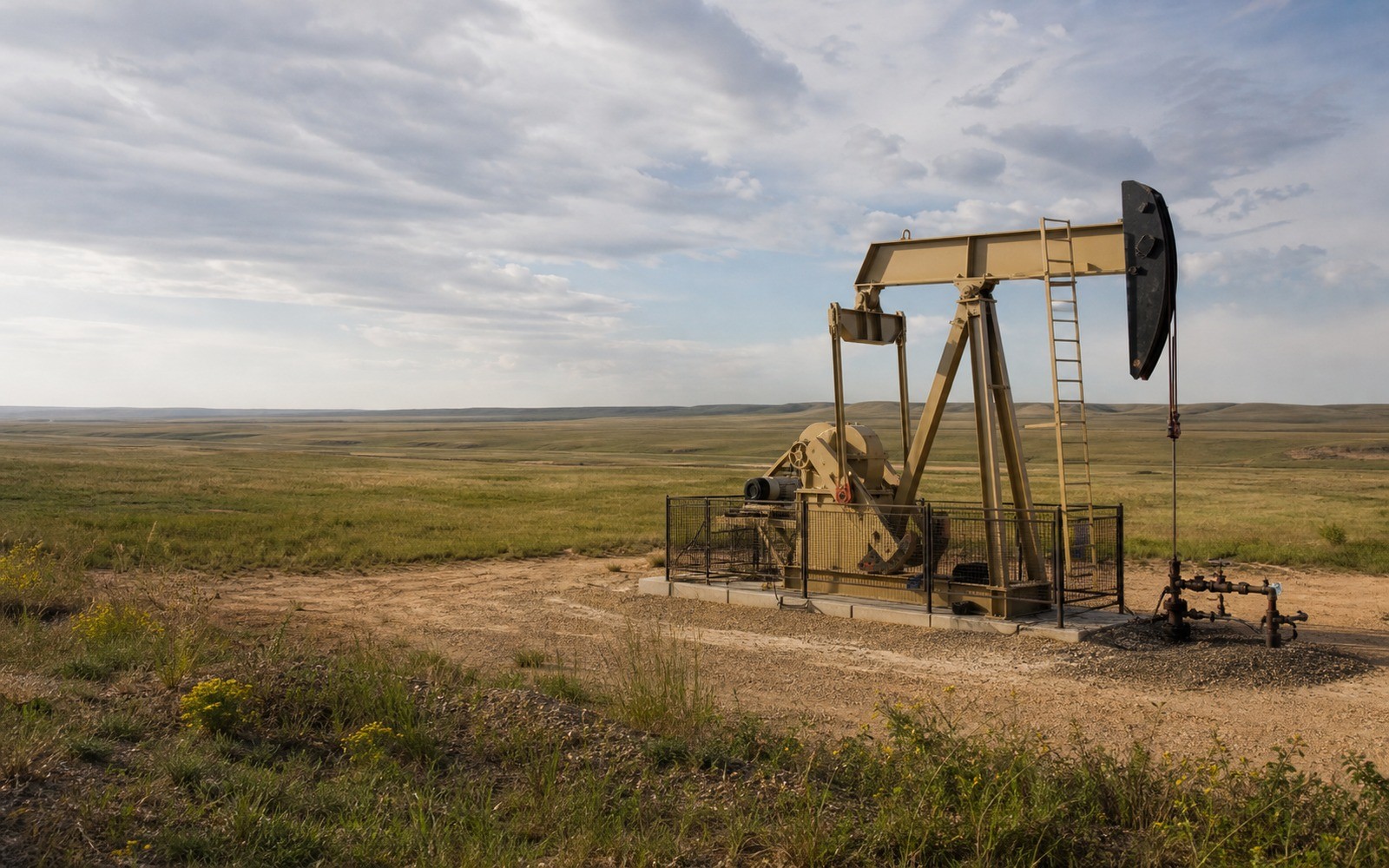
Bakken drilling runs on multi-well pads, takeaway capacity, and winter weather. Here's what actually moves your offer in the Williston Basin.


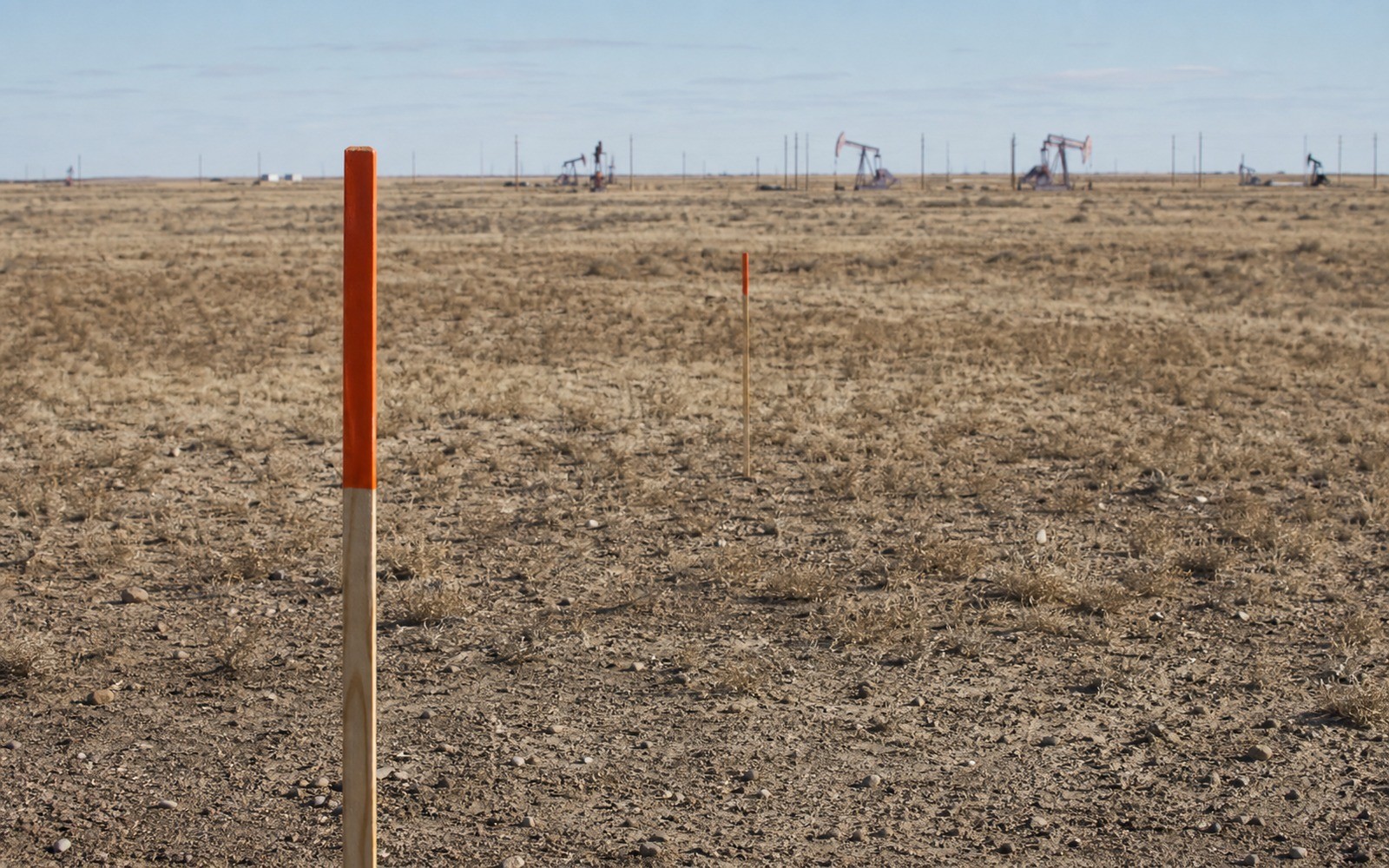
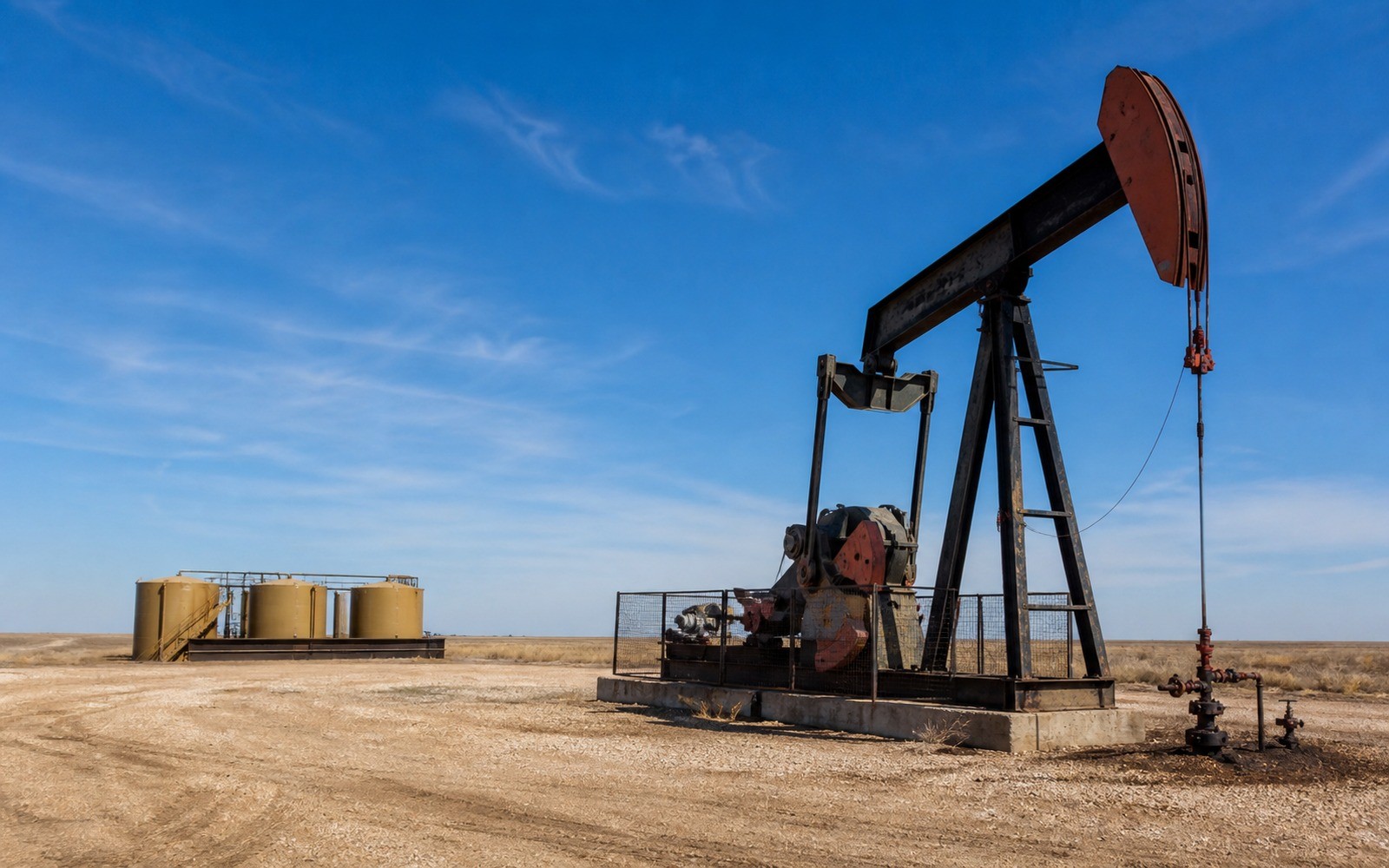

The right answer depends on present cash needs, future drilling exposure, risk tolerance, taxes, title complexity, and whether a full or partial sale fits the owner’s plan.
A mineral transaction can raise timing, property-qualification, intermediary, and reinvestment questions. Learn the basic exchange framework, then bring the proposed structure to your own qualified tax and legal professionals before closing.
Explore 1031 Exchange Resources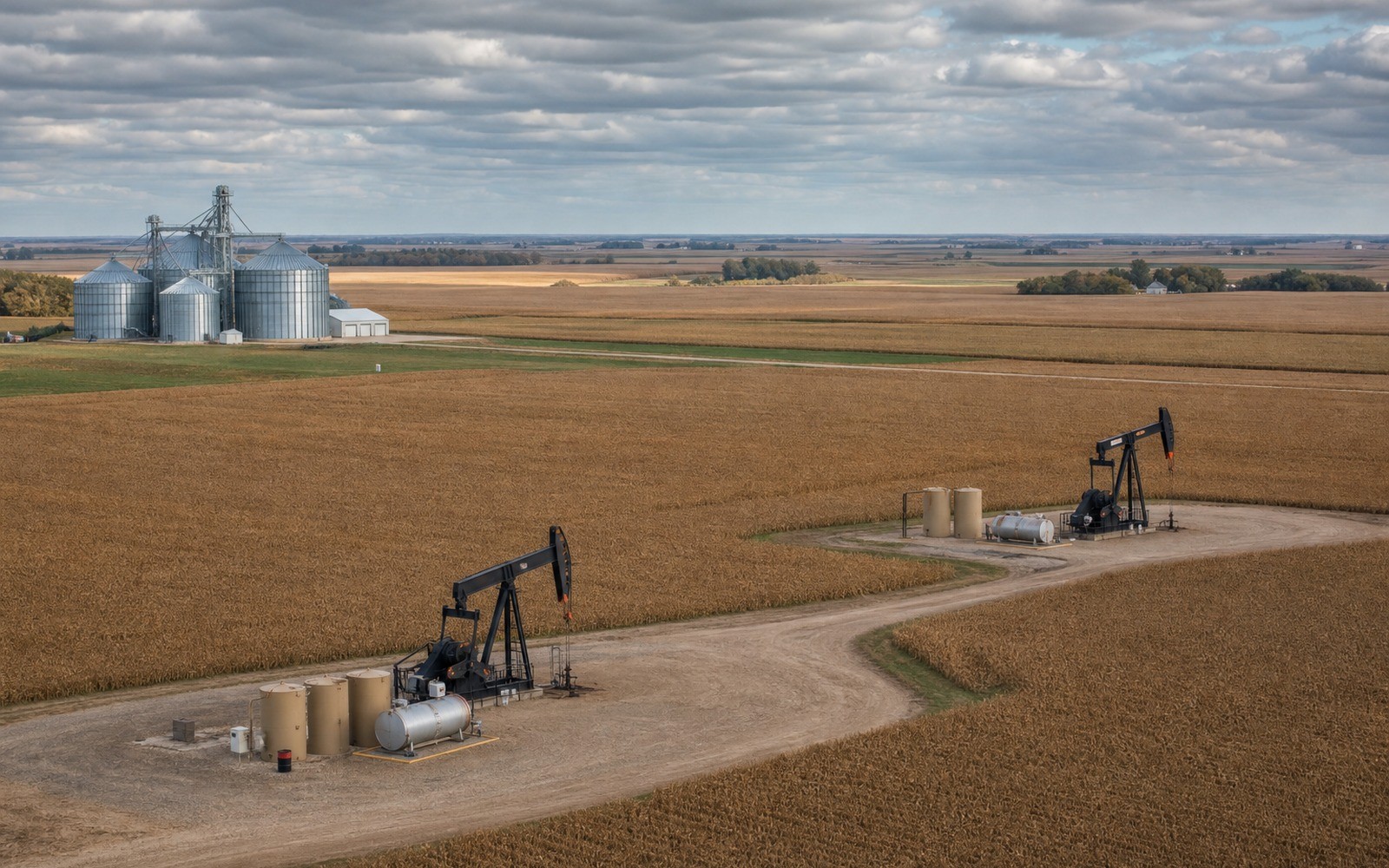
Start with the county, legal description, deed or division order, lease and operator, recent royalty history, and the exact fraction the record supports.
Inherited property, probate, divided family ownership, non-producing acreage, liquidity pressure, and an unsolicited offer each change the questions worth asking.

Tell us the county and state, what kind of interest you believe you own, and which records are available. We will start with the property facts and explain what we still need before discussing terms.
A county and state are enough to begin. A mineral deed, division order, recent royalty statement, probate document, lease, or legal description can make the ownership and production review faster.
We consider royalty history, well performance, decline behavior, operator activity, remaining development, commodity exposure, title, lease burdens, and the net revenue interest.
A partial sale may be possible when the fraction, tract, depth, formation, or other conveyed interest can be described accurately. The agreement and deed must say exactly what is sold and retained.
Inherited minerals often require review of probate, heirship, prior deeds, entity documents, or county records before the current ownership can be confirmed and conveyed.
No. You can review the property facts and proposed terms, ask questions, compare a full or partial sale, consult your own professionals, or decide to keep the interest.